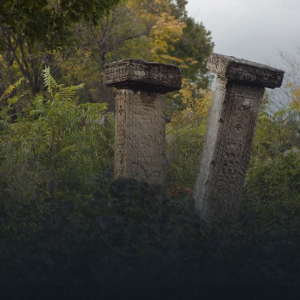
The hill of Magura, overlooking Felix Romuliana, preserves traces of the Roman ritual of apotheosis – the deification of Emperor Galerius and his mother Romula. Two mausoleums and monumental tumuli bear witness to a unique funerary ritual from the Roman Empire.
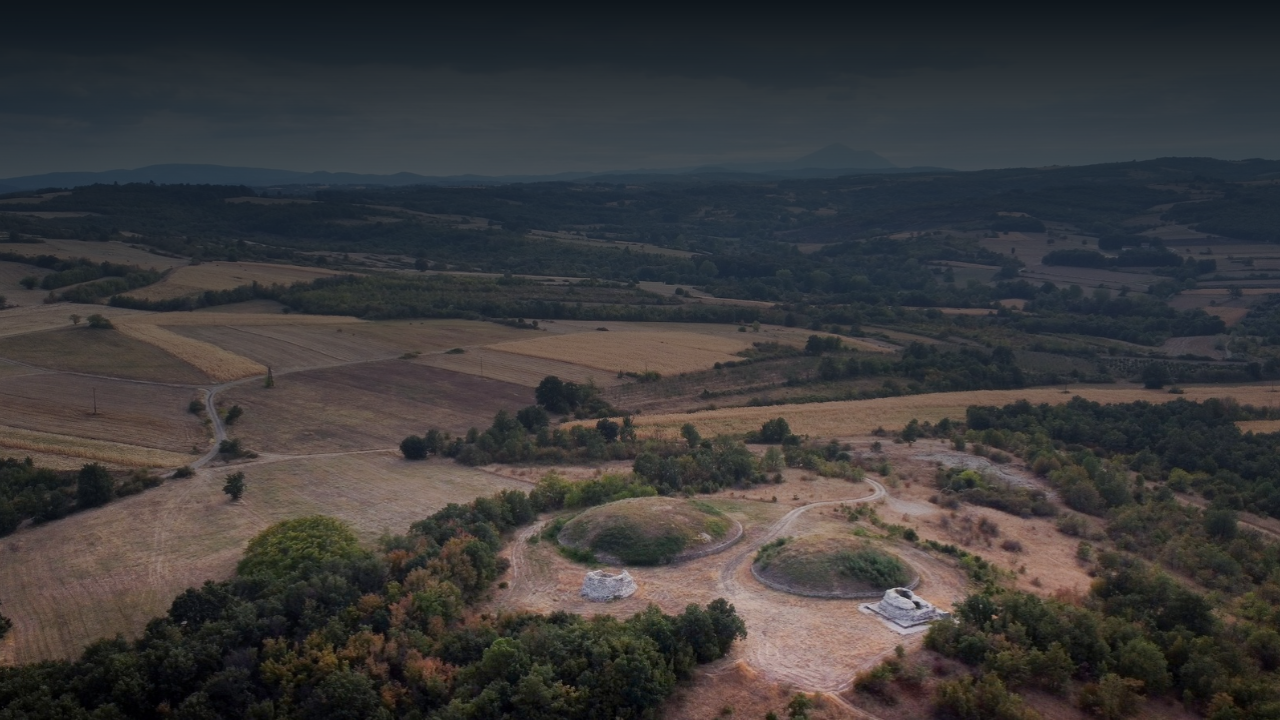
Near Gamzigrad, above the archaeological complex of Felix Romuliana, lies the hill of Magura - a site associated with one of the most unusual Roman rituals: apotheosis, the elevation of an emperor to divine status after death.
Roman Emperor Gaius Galerius Valerius Maximianus, who built a monumental palace in his homeland in the late 3rd and early 4th centuries, sought to ensure that his name and legacy would outlive him. He named the complex after his mother, Romula, and two mausoleums were built on Magura - one for him and the other for her.
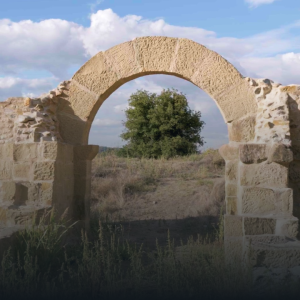
According to archaeological interpretation, the ritual of apotheosis took place at this site. The two monumental tumuli and traces of funeral pyres bear witness to the ceremony during which, it is believed, wax effigies of the emperor and his mother were burned, while their bodies were not cremated.
Magura is an important part of the archaeological complex of Felix Romuliana and offers insight into how Roman rulers sought to present their power, memory and place in history as something that transcended mortal life.