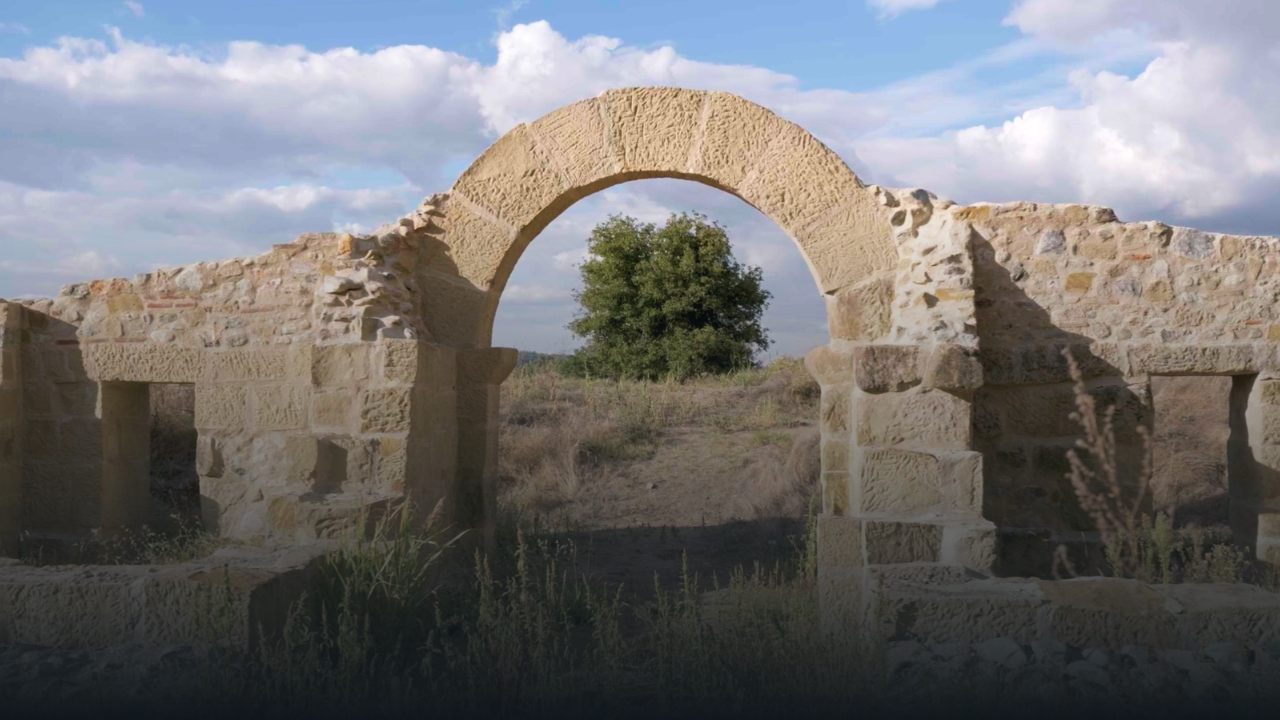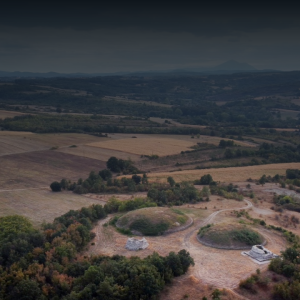
Near present-day Knjaževac, at the archaeological site of Timacum Minus, the Romans built a military fort that gradually took on a much broader role. After the border of the Roman Empire shifted, the site became an important centre of mining production. Archaeological research has revealed traces of ironworking, ore processing and the extraction of precious metals.


A civilian settlement developed alongside the fort, with workshops, public buildings and baths on the banks of the Beli Timok River. The finds from this site reveal not only the military organisation and economy of the Roman Empire, but also the everyday lives of the people who worked, traded and raised families here.


Particularly revealing traces were found at the Slog necropolis. Remains of vessels used in funerary feasts, ritually broken objects, apples, eggs and coins shed light on customs and beliefs surrounding death and the afterlife. According to Roman belief, coins served as payment to Charon, the ferryman who carried souls across the river Acheron.


Timacum Minus is a valuable testimony to a vanished world – its economy, everyday life, customs and ideas about life after death.
See more


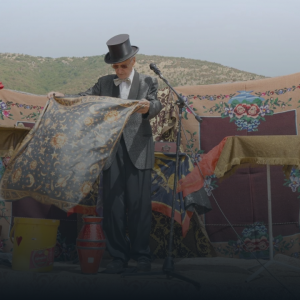
Paris Has Only One Flaw: It Doesn't Have the Prženijada Festival in Ošljane!

Prženijada in Ošljane brings together lovers of traditional food and contestants competing in the preparation of pržen. Discover a local food festival that celebrates culinary...

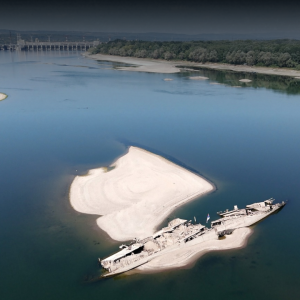
The Ship Graveyard on the Danube

Near Prahovo, on the bed of the Danube, lie the remains of a German river fleet scuttled during the retreat in the Second World War....

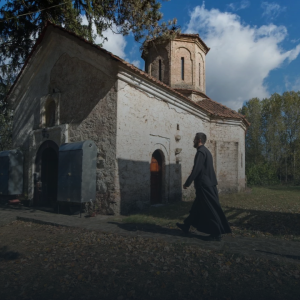
Three Churches in the Shadow of Rtanj

At the foot of Mount Rtanj stand Lapušnja, Lozica and Krepičevac – three medieval churches preserving different traces of the past, from monumental architecture and...

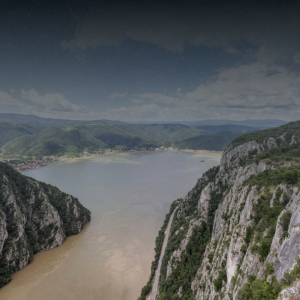
The Danube Between Empires: From Roman Legions to Ottoman Ramparts

The Roman fort of Diana, Trajan’s Tablet and the Ottoman fortress of Fetislam bear witness to centuries of struggles for control over the Danube and...

The Church in Donja Kamenica

Built in the first half of the 14th century, the Church in Donja Kamenica stands out for its unusual architecture and rich medieval frescoes. Its...

Magura: Where Roman Emperors Were Deified

The hill of Magura, overlooking Felix Romuliana, preserves traces of the Roman ritual of apotheosis – the deification of Emperor Galerius and his mother Romula....

Mythical Beings of Eastern Serbia: Muma Paduri, Fairies and Todorci

Folk traditions of Eastern Serbia tell of beings believed to inhabit forests and places beyond the everyday human world. Muma Paduri, fairies and Todorci represent...

The Old Rajac Cemetery: Symbols Carved in Stone

Located near the Rajac Wine Cellars, the Old Rajac Cemetery is known for its unusual stone tombstones and decorative motifs that preserve traces of past...

Torlak Poetry: “There’s No Translation for My Jeknja!”

Slađan Ilić, a poet from Trgovište near Knjaževac, writes poetry in the Torlak dialect. Through humour, verse and local expressions, his work preserves the linguistic...
Ministarstvo turizma i omladine
EU za tebe
Nemačka saradnja
GIZ
Zaječarska inicijativa
The Magic of the East website does not reflect the views of the European Union, the Government of the Federal Republic of Germany and the German Organization for International Cooperation (GIZ). The Zaječar Initiative is solely responsible for its content.
By using this site, you acknowledge that you have read, understand and accept our Privacy Policy and Terms of Use.
OK