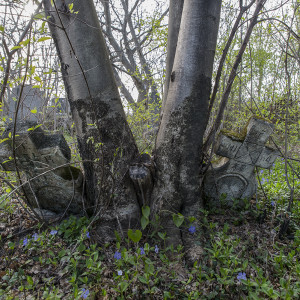
The ritual killing of elderly and infirm family members by their sons and close relatives - "lapot".
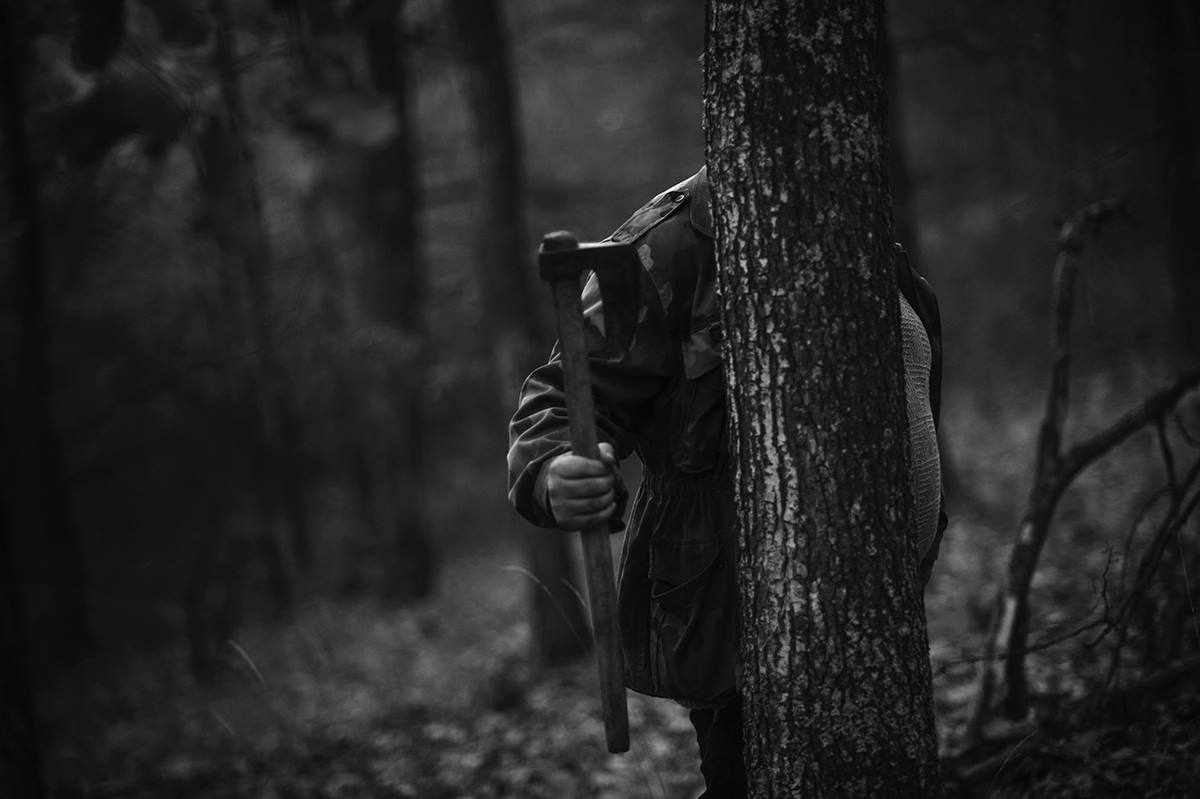
"The deceased before us, they already rest, akin to sacks full of grain."
Živojin Pavlović, Lapot
"Lapot is one of the most terrifying ancient rituals – the killing of older and helpless family members by their sons and close relatives, in the presence of other villagers. It is believed that in conditions of hardship and poverty, older people could not contribute and were a burden to their families.
However, from a religious perspective, the motivation is somewhat different. The cult of the dead held a significant place in the ancient faith, consisting of deceased ancestors who enjoyed great honor and respect. They, from the other side, protected and watched over the living descendants, and it was believed that the souls of those who did not die of old age and exhaustion were much stronger, thus more capable of providing protection and support to the living."
They were most often killed with axes, clubs, or cudgels. Elders, just before the final moment, would even bless their sons: "My son, may you live and be healthy for many years and live to old age, and may your son send you off to the other world like this." In some places, a piece of bread would be placed on the head of the old man, and just before the act, they would say, "It's not me killing you, but this bread." Responsibility and guilt for the death would thus, through the mechanism of innocent comedy, be shifted from the individual to the object, as people feared that the soul of the deceased might return, thirsting for reconciliation and revenge.
,,Lapot has served as inspiration for many prominent artists. In 1972, Goran Paskaljević made a film about this ritual as his graduation project titled "Legend of Lapot." Additionally, the Serbian painter, writer, and filmmaker Živojin Pavlović received the NIN Award in 1992 for his novel "Lapot."
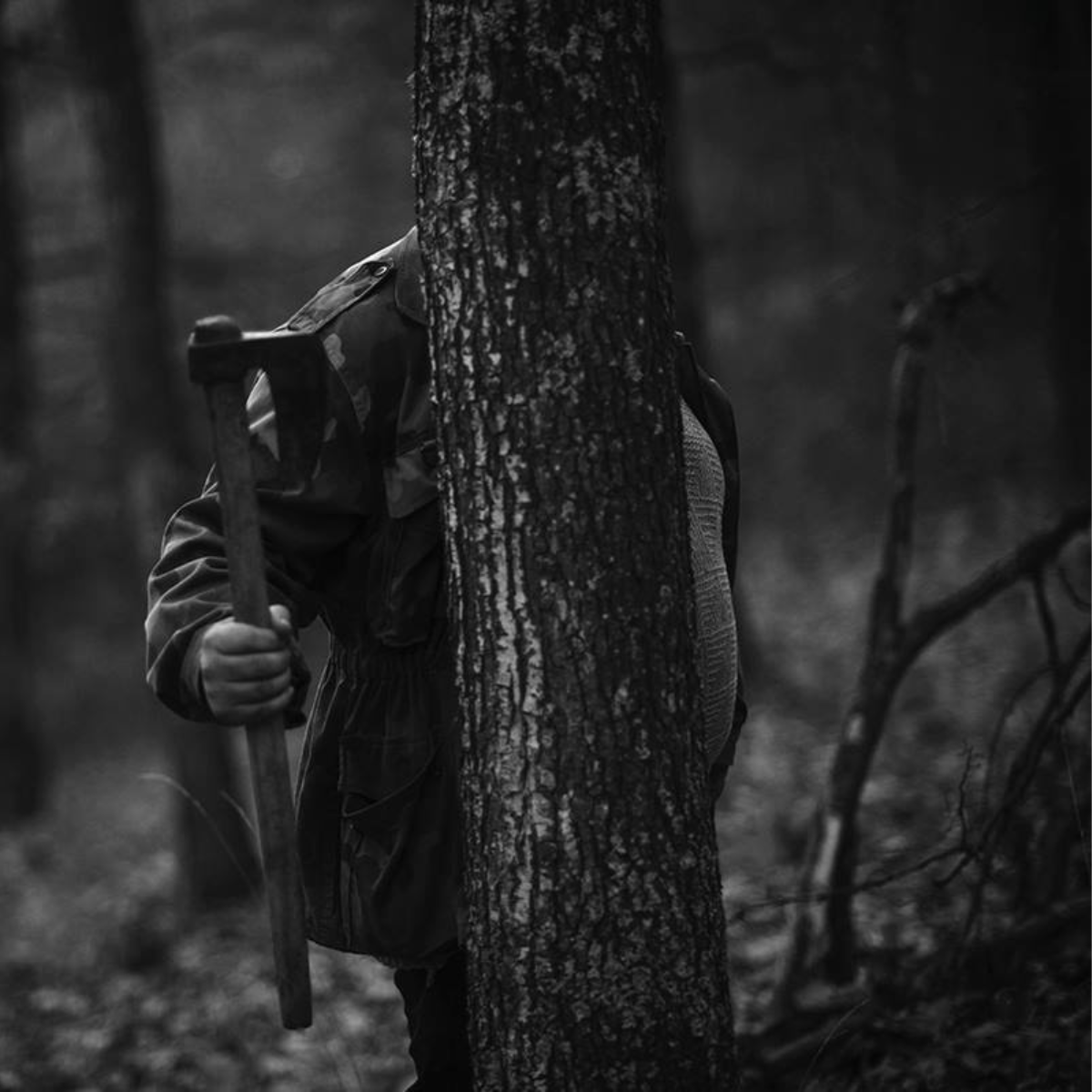
Although this custom exists on the border between myth and reality, and its historical existence is a subject of dispute within the scientific community, the richest material on Lapot was collected in eastern Serbia in the 19th century. Many centuries earlier, there was a need to sanction such and similar deeds – Dušan's Code from the 14th century prescribed the punishment of burning for anyone who killed their father, mother, brother, or child. Expressions such as "ready for the axe" or "ripe for the axe" have persisted in folklore.
A similar ritual existed in other ancient cultures worldwide. Ancient Greeks, Romans, and certain northern European peoples, as well as Native Americans and Japanese, were familiar with human sacrifices. With the acceptance of Christianity and a shift in religious beliefs, this archaic custom continued to live only in oral traditions, and even today, one can hear about it from older residents of eastern Serbia.