The connection between nature, people, and gods - the sacred inscribed tree - "zapis".
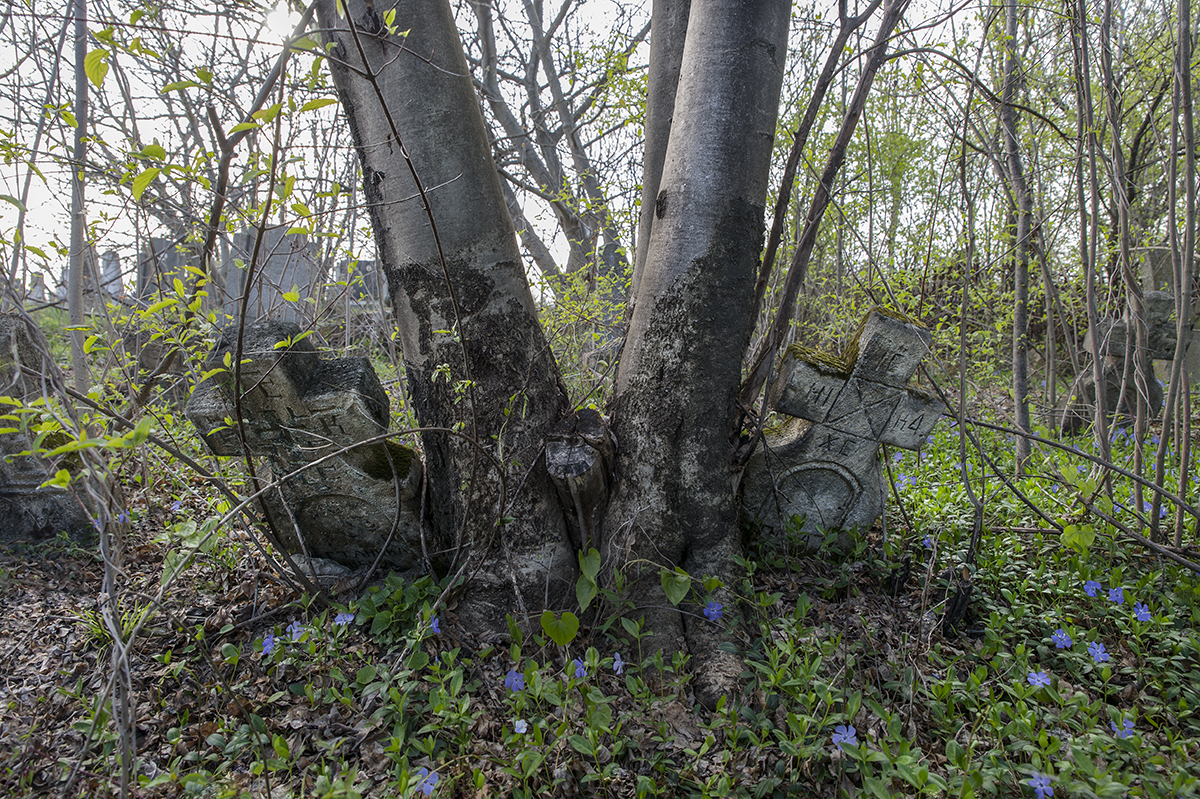
The ancient Slavs maintained a special connection with the nature around them, particularly with trees. In various forms, this connection has persisted to the present day. Our ancestors believed that deities of fields and forests reside in them, and their favor could protect them from diseases and lightning.
It was strictly forbidden to cut down trees, break branches, or pluck fruits indiscriminately. Fruits could be harvested, but only if they were intended for healers for medicinal purposes. Clothing or personal items of the sick were often left on the tree. Beneath the inscription, people could seek refuge from storms, as lightning would not strike a consecrated tree. Men would remove their hats, and women would bow when passing by the inscription. If a tree with an inscription was damaged or desecrated, the perpetrator faced punishment and a great misfortune that would befall them.
,,The reverence for sacred trees is evident in the fact that even fallen bark is not touched in Eastern Serbia. If a sacred tree dries up or falls, it remains undisturbed. A few years ago, in a village near Zaječar, when a sacred tree fell across the road, the locals chose not to move or disturb it. Instead, they opted to construct a new road around the fallen sacred tree, showcasing the deep respect and significance attached to these trees in the cultural and spiritual traditions of the region."
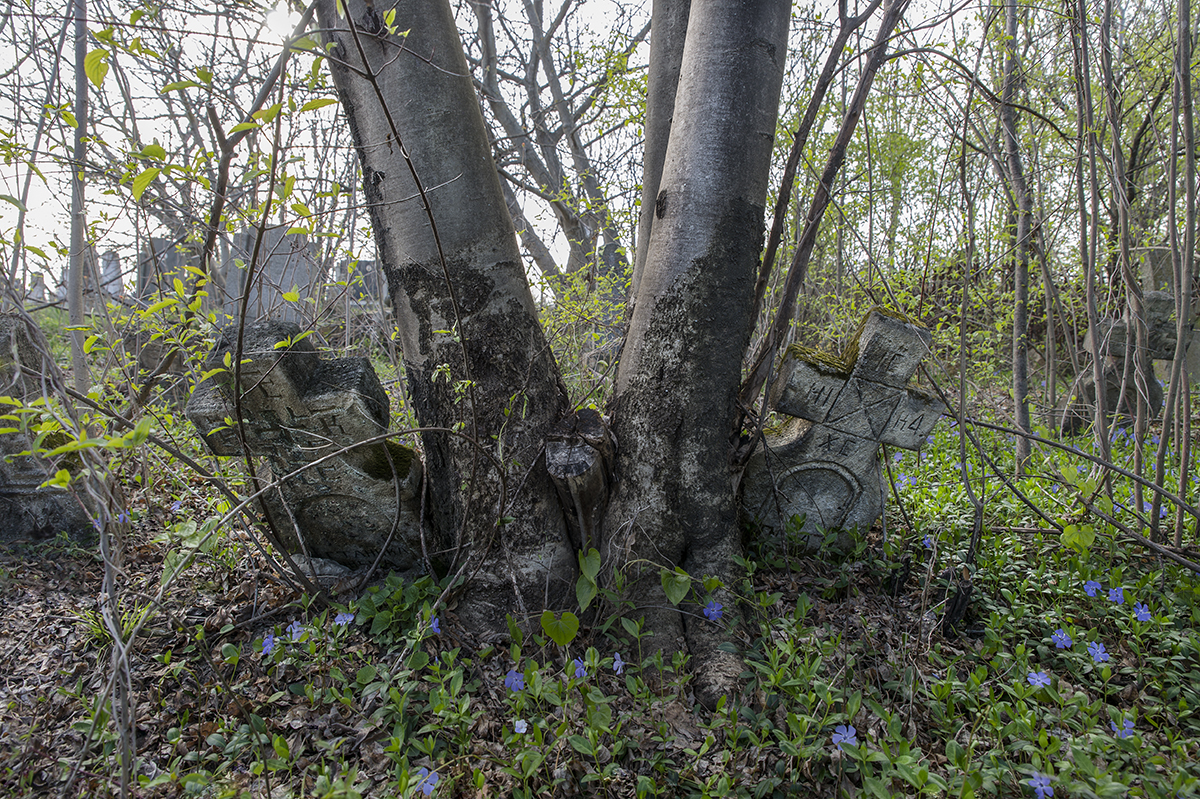
The Old Slavs used to carve their idols and deities into trees, and after the adoption of Christianity, these were replaced by a new symbol – the cross. The cross was engraved on the western side of the tree, so believers, like in the altar spaces inside churches, faced east when looking at the inscription. Beneath the inscription, you might encounter special places for offerings, known as "trpezare," where villagers leave gifts.
Constructing a church is not a simple undertaking, so in places where churches were absent, the sacred tree gained a special significance and function. Beneath it, couples would marry, children would be baptized, and in some instances, even trials were held under the sacred tree, as it was believed that near it, the accused would not lie.
"The Serbs are the only people in the world who have names for their 16 ancestors backward, or 16 generations, starting from the White Eagle and Sajkata, through Kurajber and Omžikur, to Surdepač and Kurebal. In most other nations, the ancestral line in names ends with the fourth generation, usually with the great-great-grandfather (čukundeda), and all others in the sequence are distant ancestors because they do not have specific names for them."
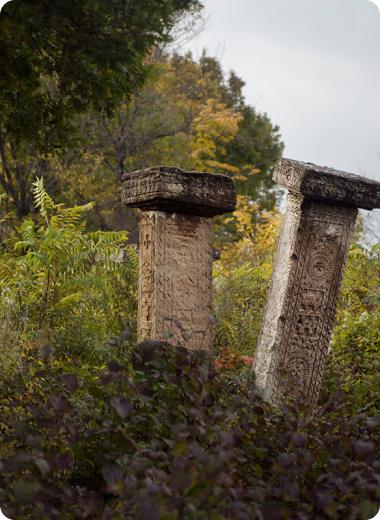
The inscription is considered a sacred place in every village, most often located in its center. In addition to the main inscription in the center, it is sometimes possible to find other inscriptions in nature, surrounding the village from several sides. Besides stones, various types of trees such as oak, hornbeam, birch, beech, ash, and pear were chosen for the inscription.
During the celebration of the village festival or feast, known as "zavetina," "obetina," or "zavetište," the inscription would be consecrated. The old cross inscription would be re-carved, deepened into the wood, and then sprinkled with wine. This ritual was performed with the aim of protecting the village and crops from disasters, ensuring a bountiful harvest, and ensuring the well-being of livestock. After the processions in the village, the residents would celebrate with a feast and a banquet.