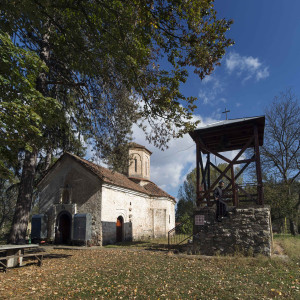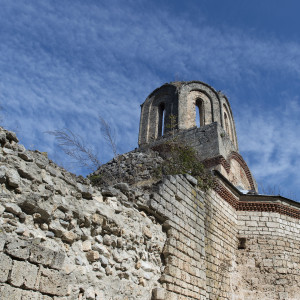
Krepičevac Monastery: a sacred place in the shadow of untouched nature.
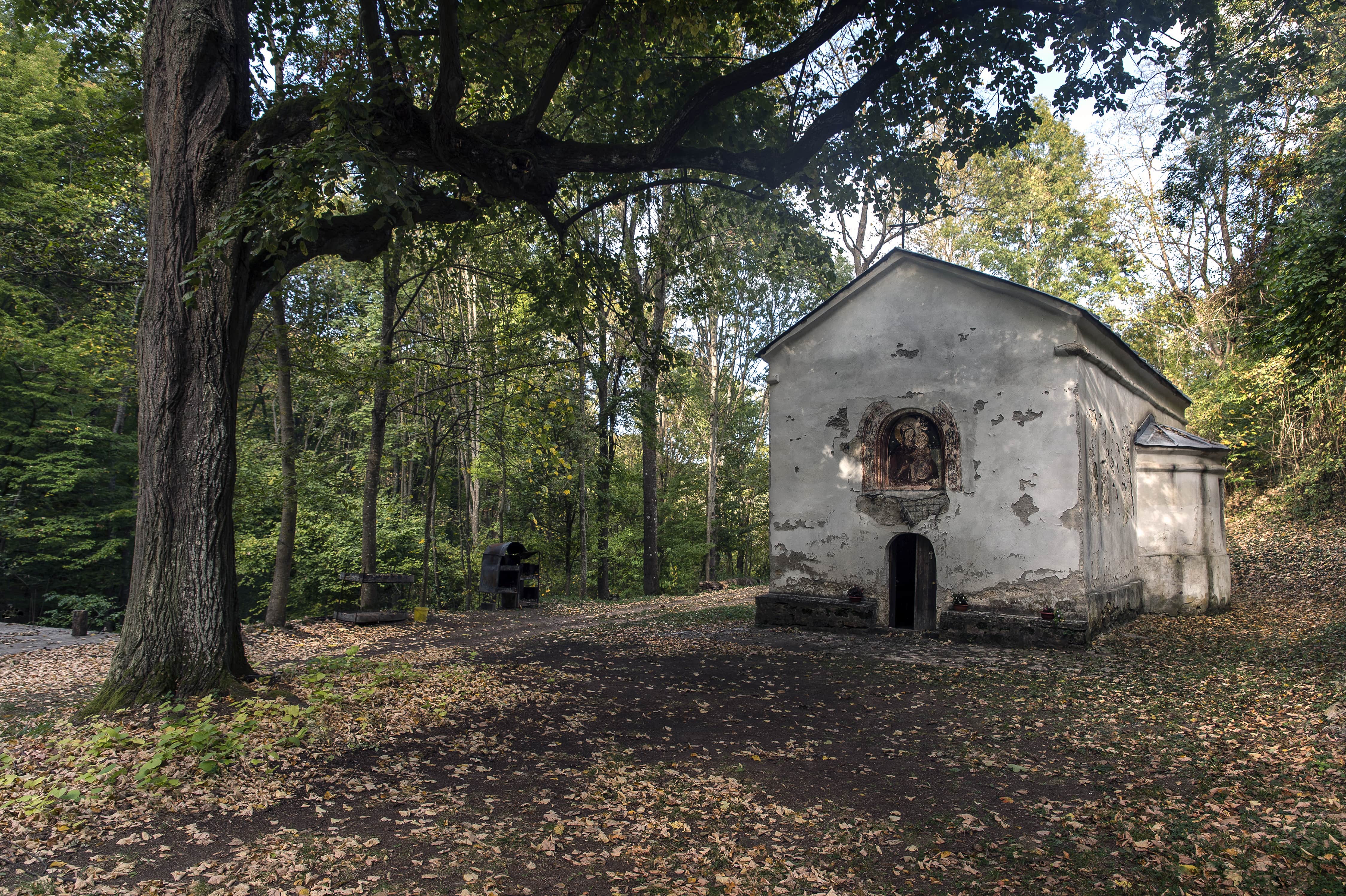
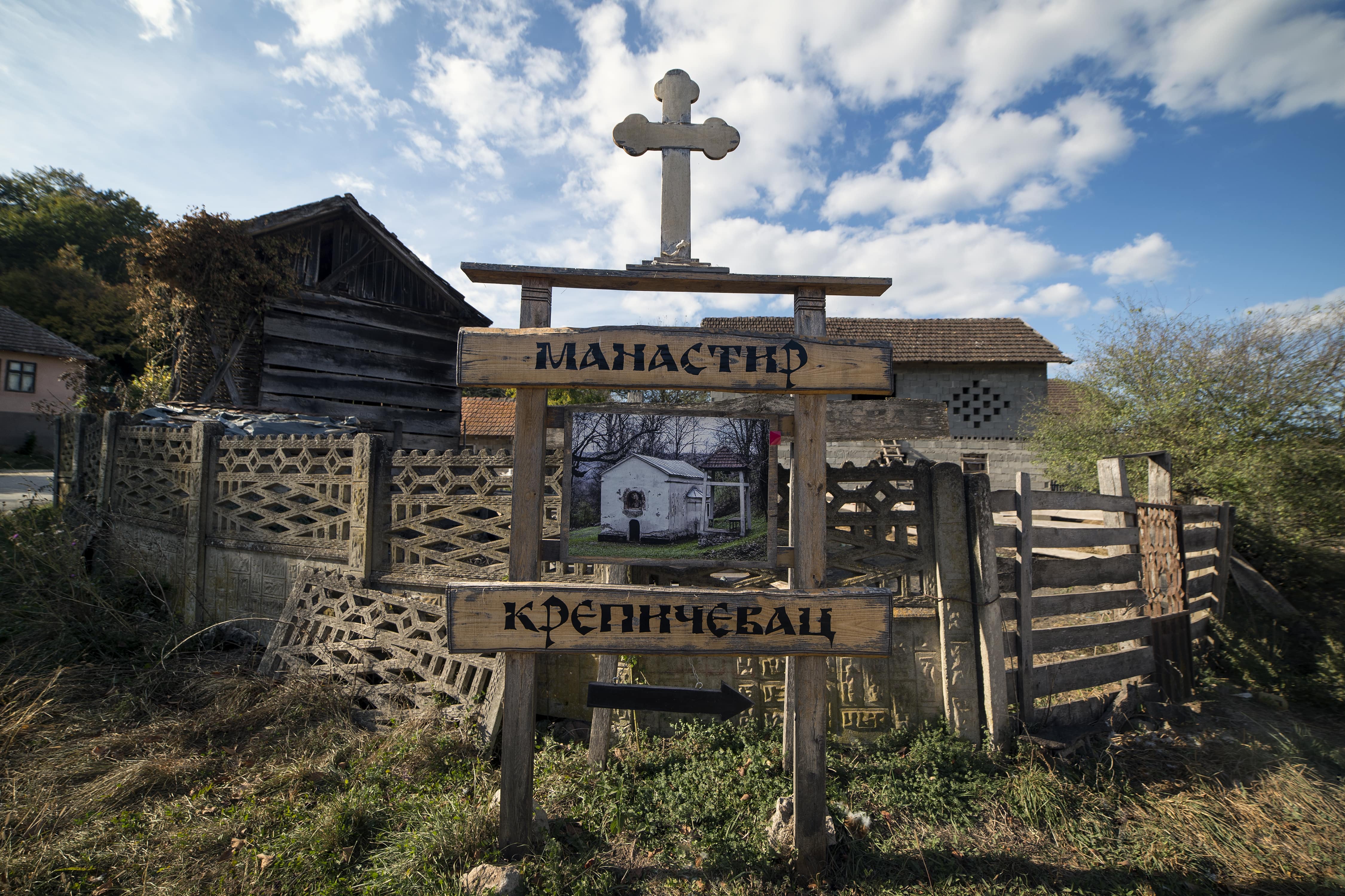
The Krepičevac Monastery is situated in the serene and wooded left bank of the Radovanska River, a few kilometers from the village of Jablanica near Boljevac. The monastery was likely built in the 14th century, and it is first mentioned in the 15th century.
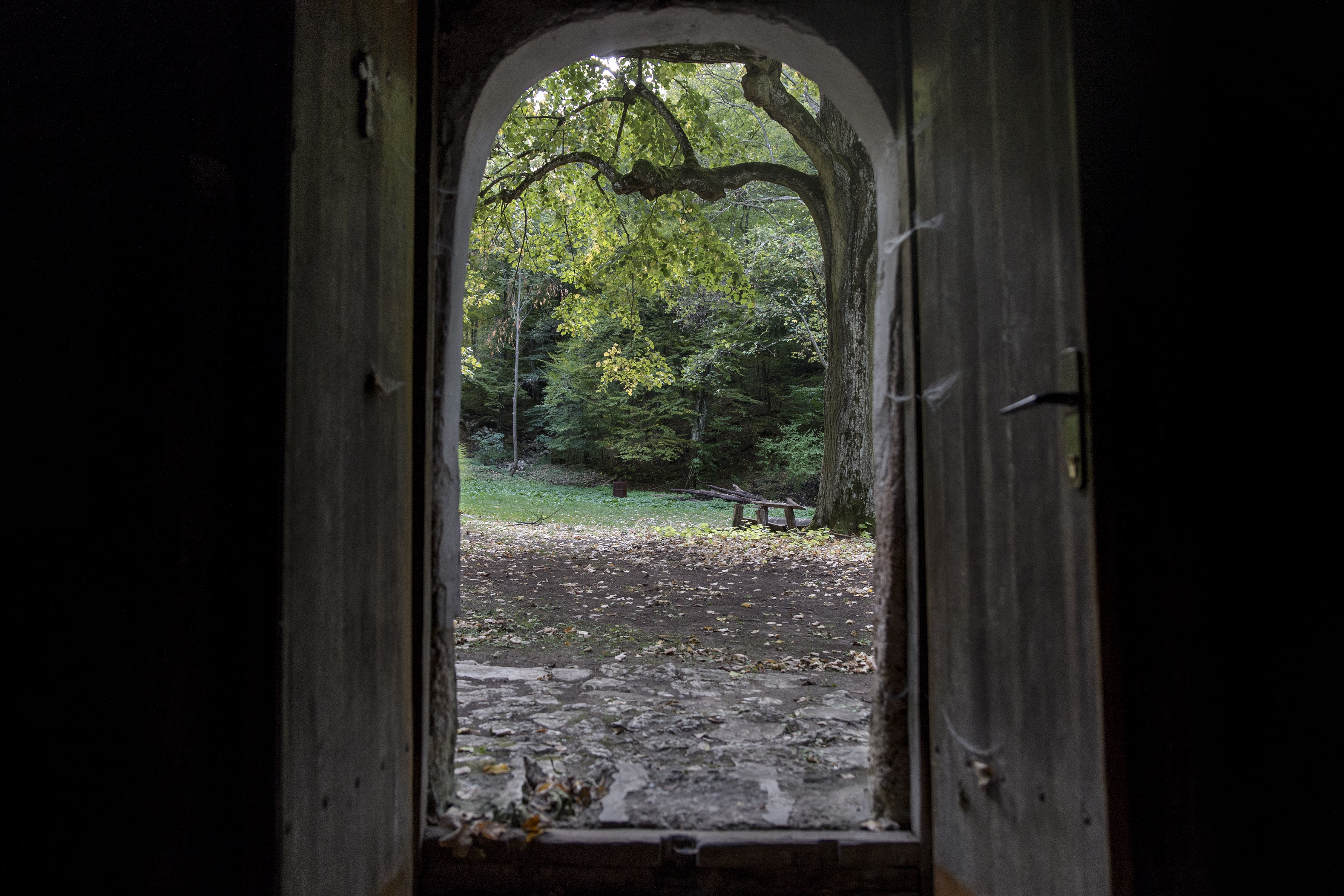
According to a local legend passed down through generations, people fleeing from the Turks across Rtanj and the Crna Reka River established and populated the village of Jablanica. However, when the Turks caught up with them and discovered the settlement, they were not allowed to build a church. Nevertheless, they managed to construct a church in a secluded location. One day, when they returned to the site, the church was not there. A shepherd who happened to be there told them that he had lost a sheep, searched through meadows and forests, and when he found it, he also found the church. It was located beside a cold and clear spring with traces of trampled grass and broken trees behind it. After refreshing themselves at the spring, they named the hidden grove and the church Krepičevac.
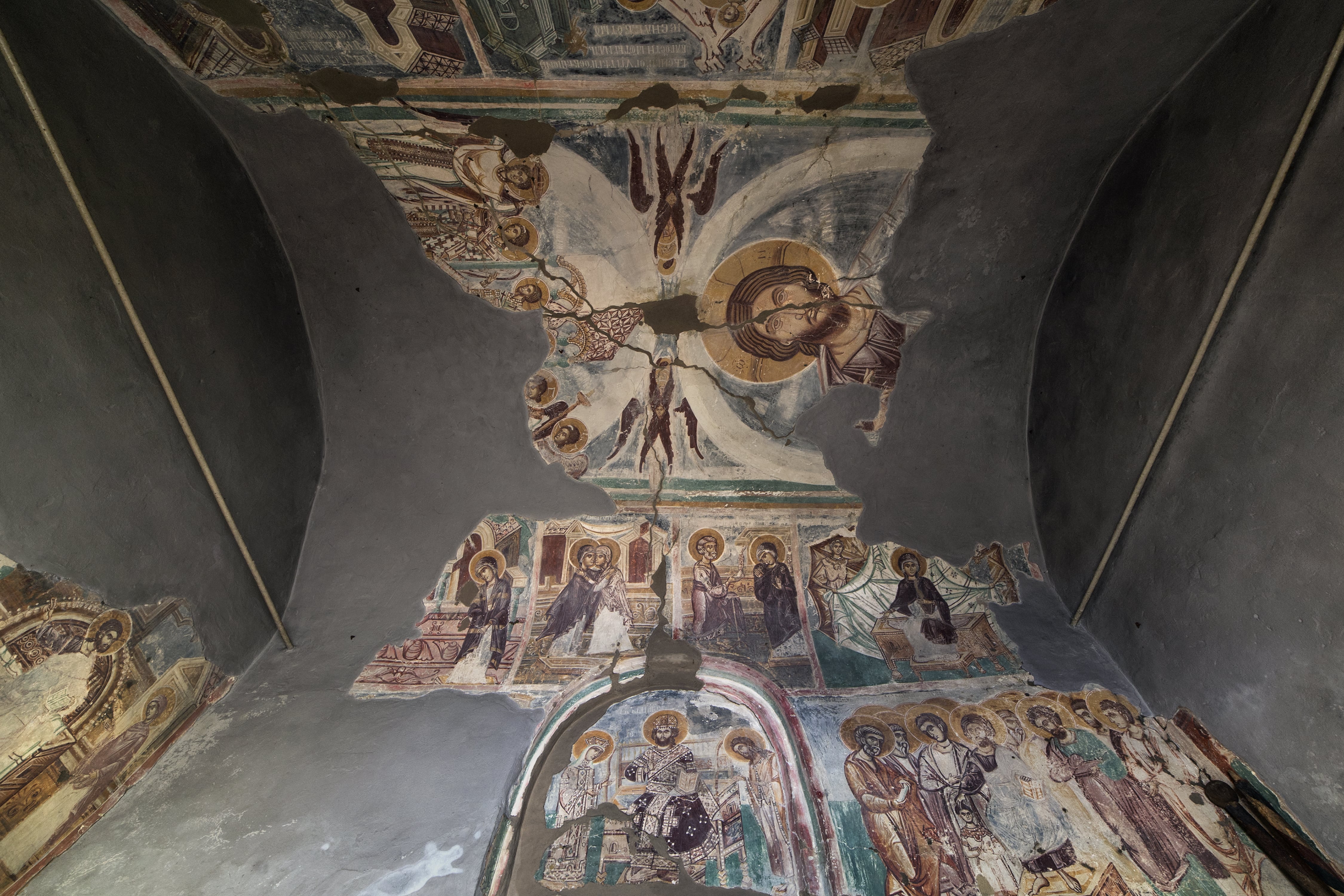
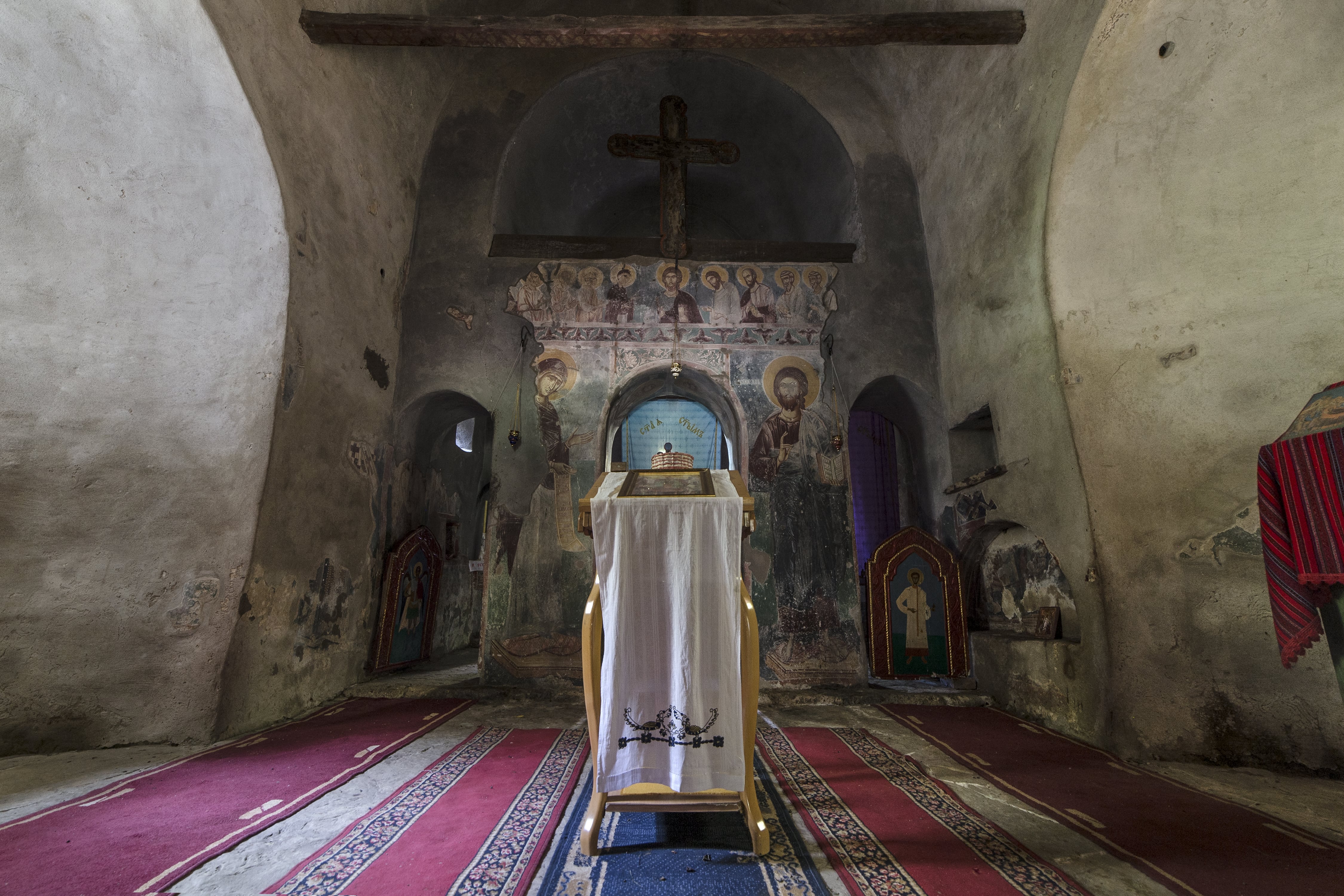
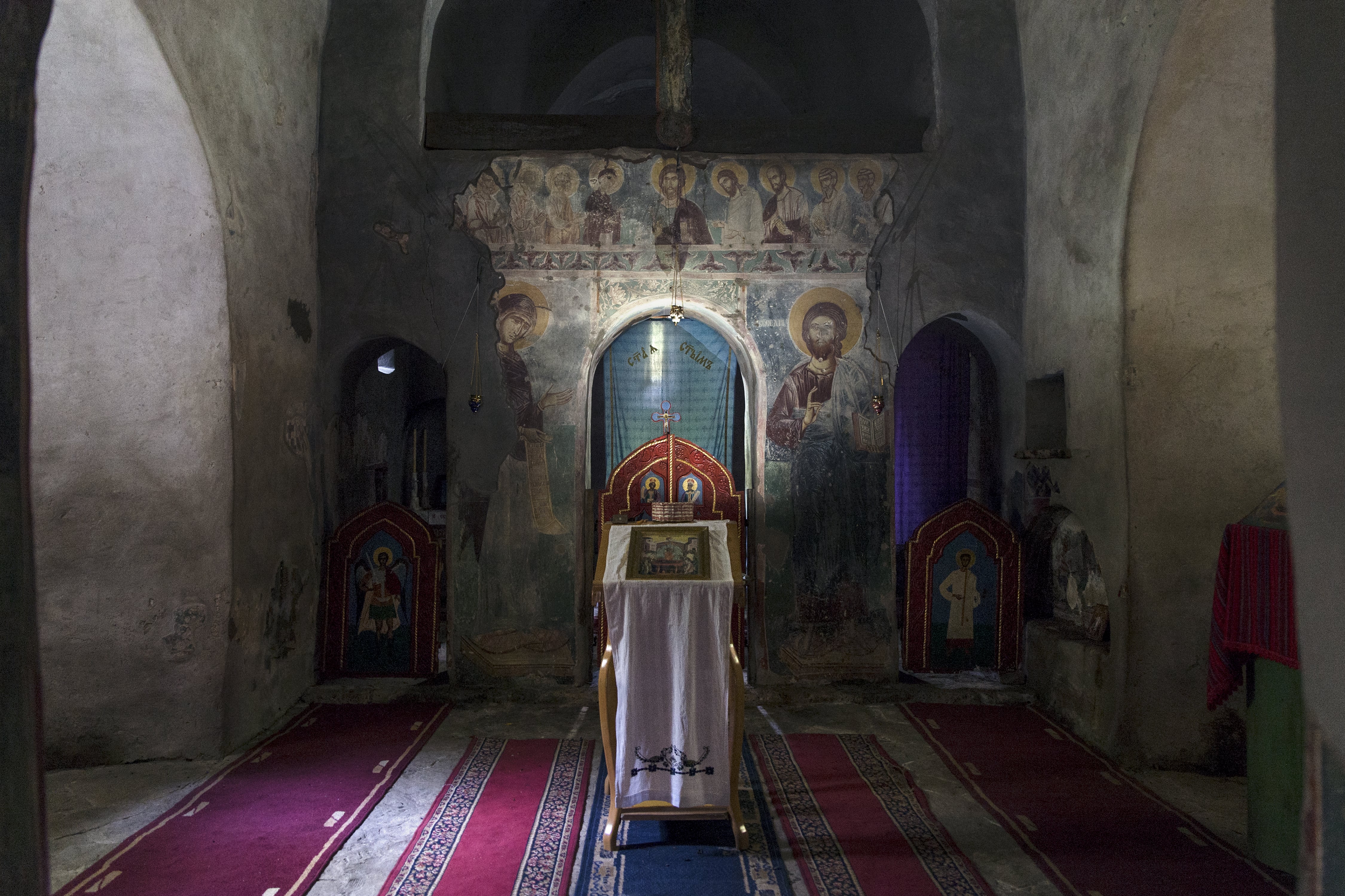
The monastery itself is of modest dimensions, with somewhat weathered exteriors, but what is preserved within holds immense cultural and artistic significance. A well-preserved founder's composition is one of the latest examples in medieval fresco painting, distinguished by the unusually rare church model depicted on it. Besides the masterfully painted figures of Zora and her son Manojlo, the church's founder, Georgije, is depicted holding a church with an elevated western part, indicating architectural modifications it underwent over the centuries. The clothing of the founder's family suggests noble and high-born status. Although it cannot be definitively asserted that the founder of Krepičevac is the same person mentioned in the Lapušnja record, these two geographically close sanctuaries certainly share a very close proximity in terms of construction time.
"WHO RESTS IN THE SOUTHERN WALL OF KREPIČEVAC?"
Another detail stands out for its uniqueness and mystique. On the southern wall of the nave, to the right of the altar, there is a depiction of a monk's funeral, suggesting that Josif Sinait is buried at this location, prominently displayed on the southern wall of the monastery.
The Sinai Hermits were special spiritual figures, indirectly and directly connected to Mount Sinai. According to tradition, seven, but in reality, a much larger number of Sinai monks resided in Serbia during the Middle Ages, especially after the Battle of Marica river. They nurtured a unique spiritual connection with the Serbian people since the time of St. Sava, and due to their dedication and asceticism, many sacred stories about them have endured among the people.
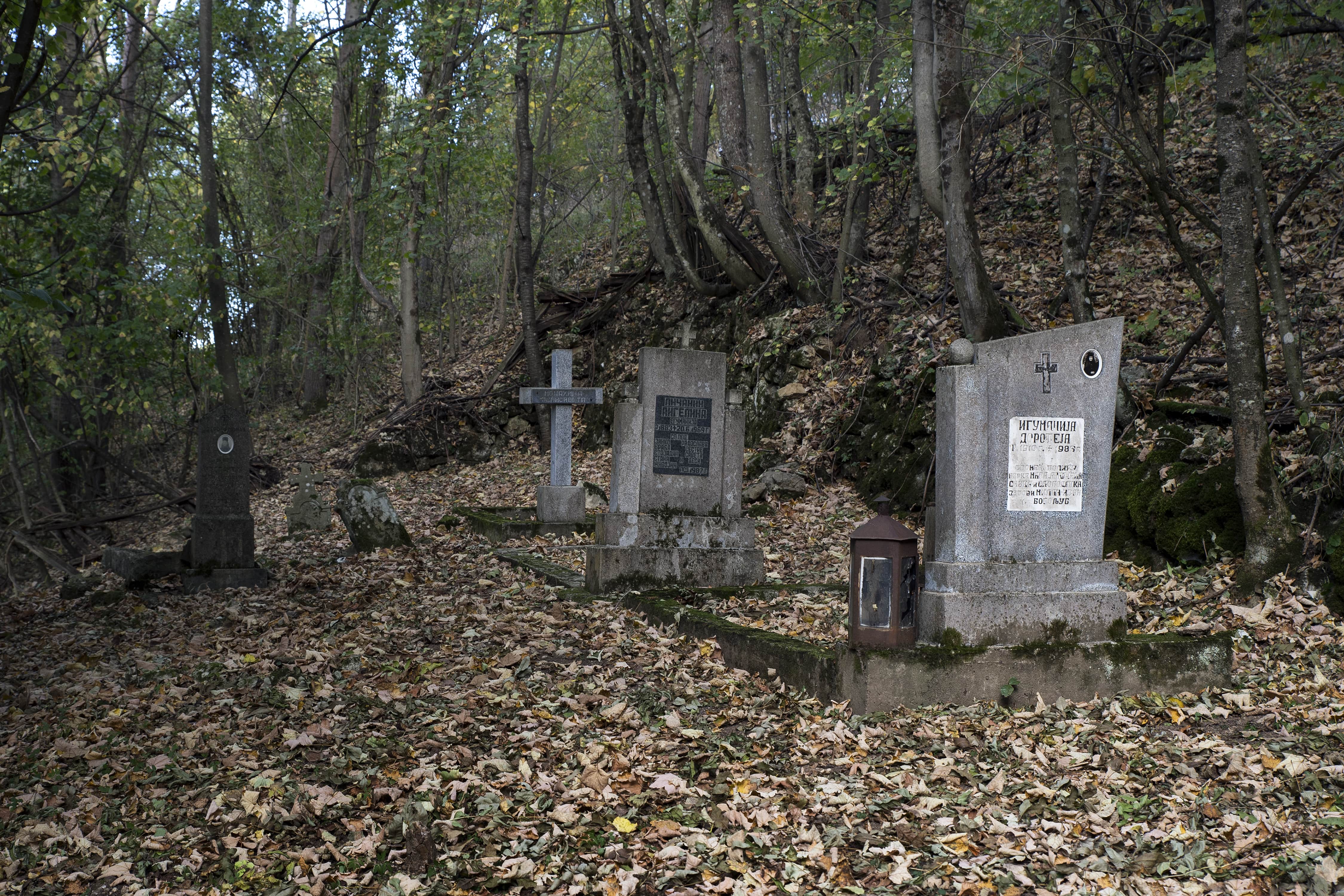
"Krepičevac, as a female monastery, was active until the 1980s, and it is currently served by priests from Boljevac. The nun and later abbess of the monastery, Angelina Ličanin (secularly Vidosava), who sold her two houses near the Albanija Palace in Belgrade to fund the monastery's restoration, is buried in the monastery courtyard, having passed away in 1969."