In the shadow of history and Rtanj mountain
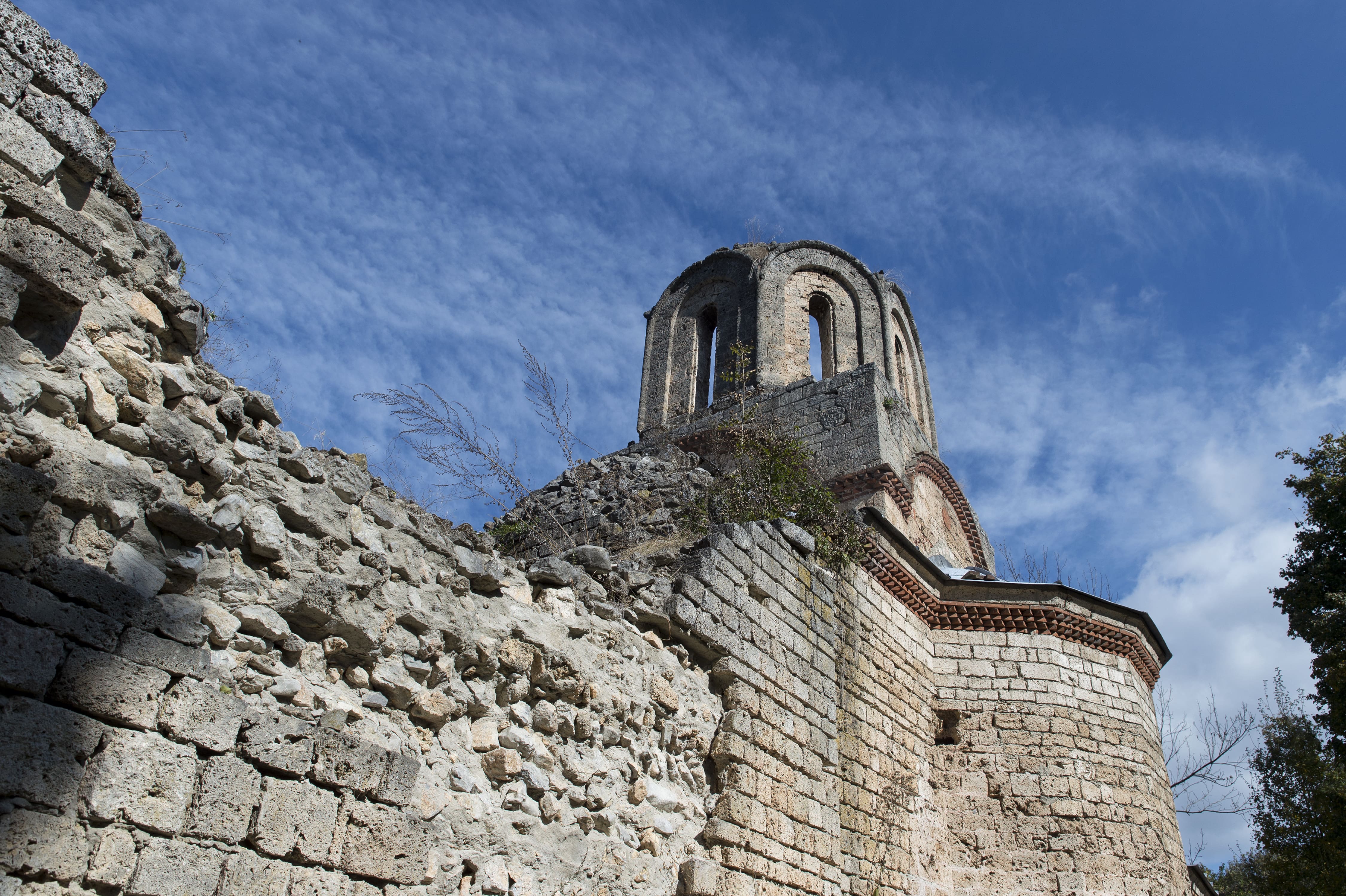
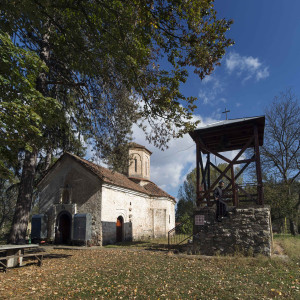
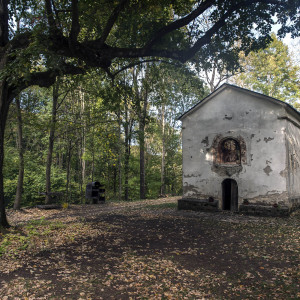
The wooded slopes of Rtanj conceal various gems of nature and cultural landmarks, such as The Lapušnja Monastery.
The name Lapušnja appears in records from the 16th century and refers to the hilly area near the village of Lukovo, originally known as Vučja Glava. This region once served as the center of the Episcopate in this area. Today, surrounded by pastures belonging to the villagers, the area comes to life every May 22nd when people gather to celebrate the Saint Nicholas.
This monastery attracted the attention of researchers during the 19th and 20th centuries due to its structure, more reminiscent of a cathedral than a typical church. According to records and research, the monumental building was renovated by Duke Jovan Radul, although it is not known who initially built it and when.
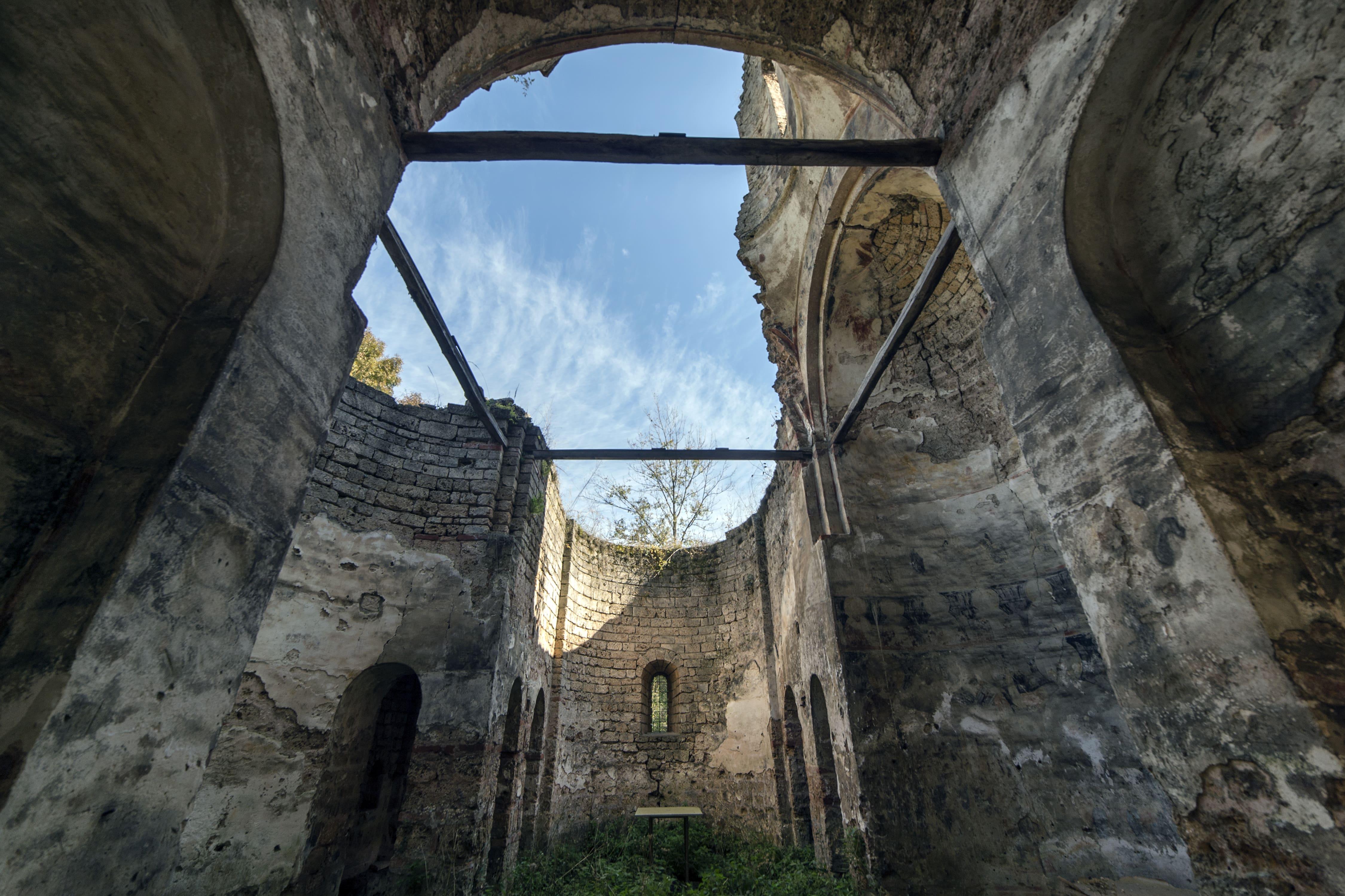
The discovery of the patronage inscription attracted numerous Romanian researchers to these regions, considering that the patrons, Duke Radul the Great and paraklitos Gergija, held significant political roles in Wallachia during the 15th and 16th centuries. As a token of gratitude, they were depicted on the walls of the monastery. The portrait of Duke Radul, painted posthumously in the church, is an expression of the respect held by Prince Bogoje and his family, who facilitated the painting of the church. Prince Bogoje himself is the only portrayed representative of local authorities from this region at the beginning of the 16th century. Despite being heavily damaged, these portraits hold significant documentary value.
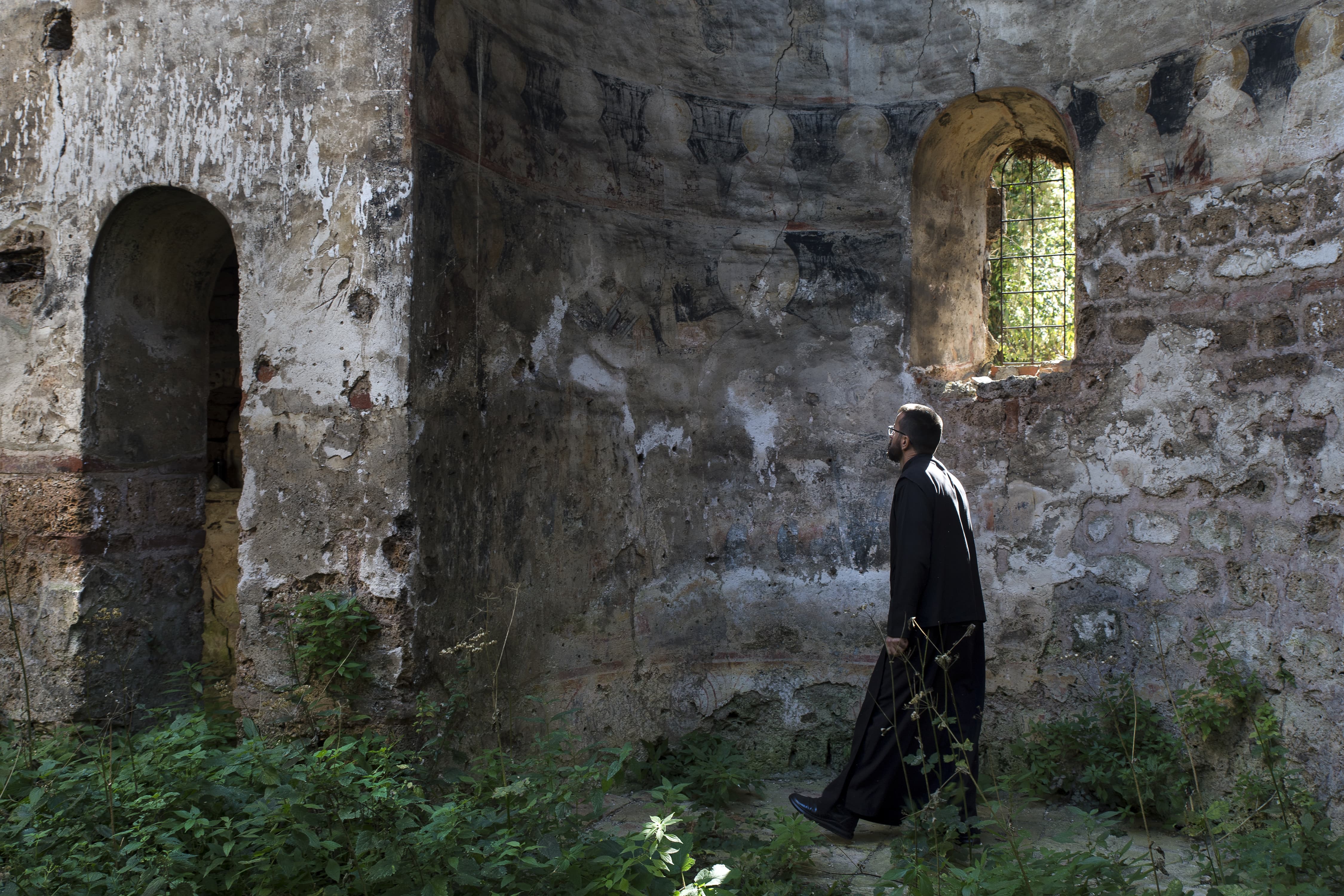
The remains of the building were placed under state protection in 1948, and since then, a smaller number of frescoes have been restored.